How do school libraries work towards EQUITY OF ACCESS?
|
This ties closely to the Book Desert ideas above, but is even broader. Students need access to books, of course. They also need access to the internet as well as to devices that search the internet and encourage use digital resources. Students are also learning how to produce their own information, products that demonstrate their new understandings of the world which need an audience. Libraries help students find appropriate resources and use tools (apps , websites, etc), and they provide students devices to complete school assignments. Students without devices at home, or internet access, may need to stay on campus to complete work; libraries are a great place and librarians the right staff to support them in their efforts beyond class time.
Two articles for further insights: Ramos, Cynthia. “School Libraries for EQUITY: Do What’s Right for ALL Our Students.” (TASLTalks blog, June 1, 2016) Cynthia is an HISD librarian and parent. Massachusetts Board of Library Commissioners. The Massachusetts School Library Study: Equity and Access for Students in the Commonwealth: Report of Findings and Recommendations of the Special Commission on School Library Services in Massachusetts. by Carol A. Gordon and Robin Cicchetti, Mar. 2018. Massachusetts Libraries Board of Library Commissioners. |
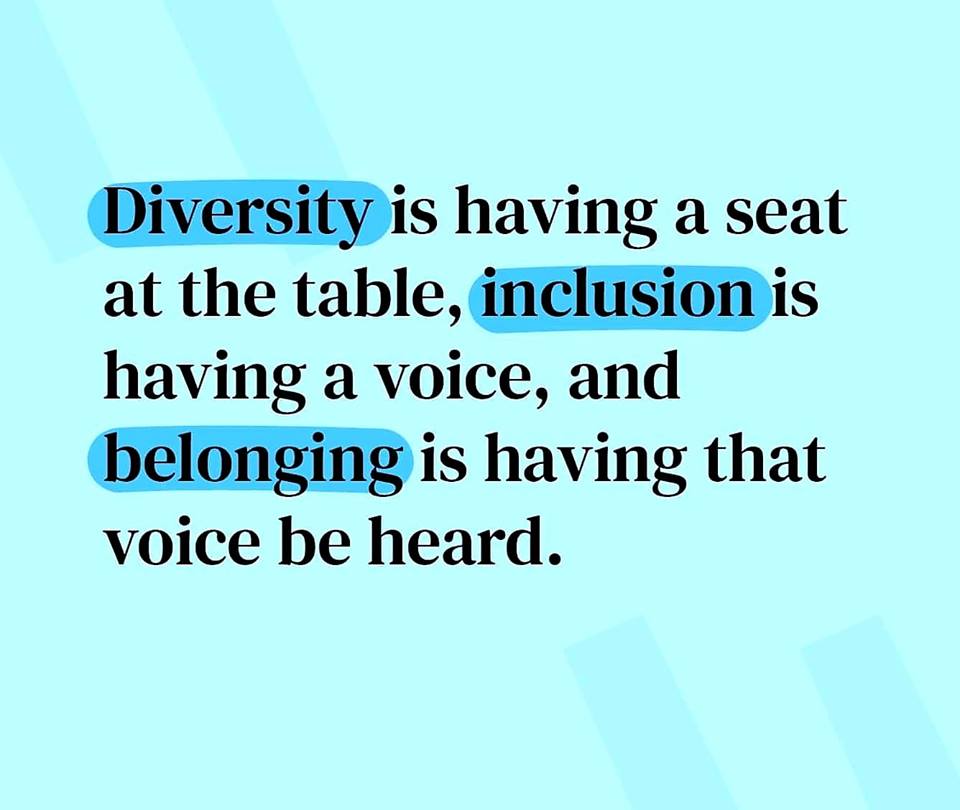
Facebook is a frustrating source - I cannot find the original source of this quote. Posting it anyway.
|